
When Odds Wear Disguises: How Casinos Design “Fair” Illusions
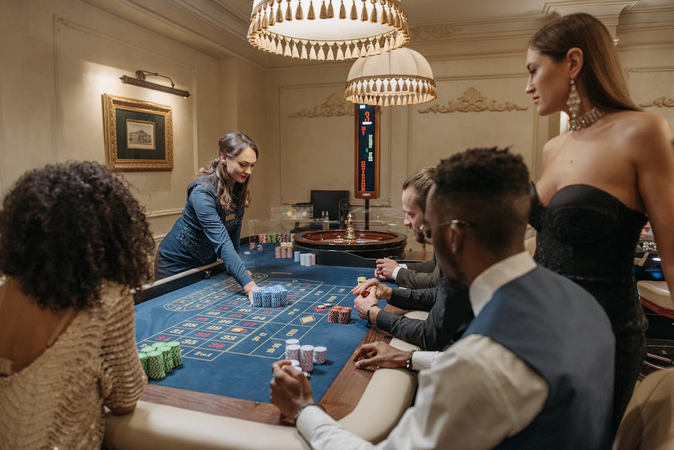
Casinos are masters of appearances. Walk onto a gaming floor or load up an online game, and everything seems balanced, transparent, and fair. Rules are clearly posted, odds are technically available, and outcomes look evenly distributed. Yet casinos are businesses built on advantage. The interesting part isn’t that the house has an edge—it’s how carefully that edge is hidden behind experiences that feel neutral, friendly, and even generous.
Fairness That Doesn’t Mean Equal
In gambling, “fair” rarely means equal odds for everyone involved. It usually means the rules apply consistently. Casinos rely on this distinction. A game can be perfectly fair in terms of rules while still favoring the house over time. Players often interpret fairness emotionally, assuming that if nothing looks rigged, the chances must be balanced. The math, however, quietly leans in one direction.
Design Choices for Certain Perceptions

Everything from colors to animations influences how fair a game feels. Smooth transitions, celebratory sounds, and steady pacing reduce the sense of loss. Early exposure to platforms featuring good slots often reinforces this effect, because frequent small wins and flashy feedback create a sense of balance even when the overall return is negative. The design doesn’t change the odds—it changes how those odds are experienced.
Transparency That Few People Use
Casinos technically disclose odds, payout percentages, and rules. But disclosure doesn’t guarantee understanding. Most players don’t read pay tables closely or calculate expected value. Instead, they judge fairness by intuition. If a game “pays out sometimes” and doesn’t feel hostile, it earns trust. That trust fills the gap between visible experience and invisible math.
The Role of Volatility in Illusions
Volatility plays a huge role in how fairness is perceived. Two games can have the same long-term payout but feel completely different. One delivers frequent small wins, while another offers rare but dramatic payouts. The first feels fair and steady; the second feels risky but exciting. Casinos carefully balance volatility to appeal to different players, all while maintaining their advantage.
Skill Signals in Chance-Based Games
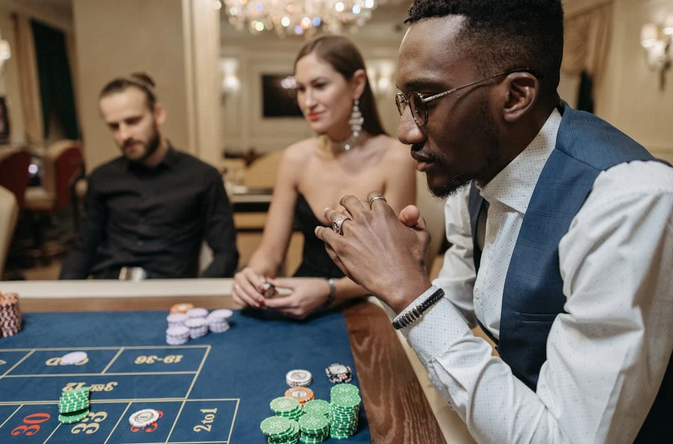
Some games borrow the appearance of skill even when chance dominates outcomes. Player decisions may influence pacing or bet size without affecting the underlying probabilities. This creates a sense of agency. When players feel involved, outcomes feel earned. Wins feel deserved, and losses feel unlucky rather than inevitable, reinforcing the idea that the game itself is fair.
Emotional Contracts for Gamblers
Casinos don’t just sell games; they sell an experience built on trust. As long as players feel respected and not openly manipulated, they accept the hidden edge. Fairness becomes an emotional contract rather than a mathematical one. The illusion holds as long as the experience feels honest, entertaining, and consistent. Casinos design fairness the way filmmakers design realism: not by showing everything, but by showing enough to feel believable. The odds are always there, quietly working in the background, while design and psychology shape how those odds are felt. Understanding these disguises doesn’t ruin the experience—it simply reveals how carefully the illusion is constructed.