
Inside the Mind of a High-Stakes Thinker

Some people seem to thrive under pressure. When the stakes are high, they don’t freeze—they focus. Whether it’s a professional poker player, a CEO, or a crisis negotiator, high-stakes thinkers operate differently. Their decisions aren’t driven by fear or impulse but by a deep sense of control and calculation. Understanding how they think offers valuable lessons for anyone who wants to handle challenges with more confidence and clarity. High-stakes thinking isn’t about risk-taking for the thrill—it’s about seeing opportunities that others miss and trusting your ability to act.
Calculated Risk Is Their Comfort Zone
 High-stakes thinkers don’t avoid risk—they manage it with precision. They know that success often requires stepping into uncertainty, but they never do it blindly. On platforms like ak777, for example, the most strategic players don’t rely on luck alone; they analyze odds, study patterns, and make data-backed decisions. The same mindset applies in business, investing, and personal growth. Calculated risk-taking is about preparation, meeting courage—the ability to make bold moves when others hesitate because you’ve already done the mental math.
Emotional Control Is Their Secret Weapon
In high-pressure situations, emotions can cloud judgment faster than anything else. High-stakes thinkers train themselves to stay calm when others panic. They recognize emotions but don’t let them dictate their choices. This self-awareness gives them an edge—they know when to act, when to wait, and when to walk away. It’s not about suppressing feelings but channeling them productively. Think of it as emotional discipline, a skill that turns potential chaos into clarity.
They Think Several Moves Ahead
Like expert chess players, high-stakes thinkers rarely make decisions based on immediate outcomes. They think long-term, always considering how today’s move will impact tomorrow’s opportunities. This forward-thinking approach helps them stay ahead of competitors and avoid short-sighted mistakes. Whether negotiating a deal or playing a high-stakes hand, they constantly run mental simulations, adjusting strategies based on changing circumstances. That mental flexibility is what keeps them one step ahead.
Confidence Comes From Preparation
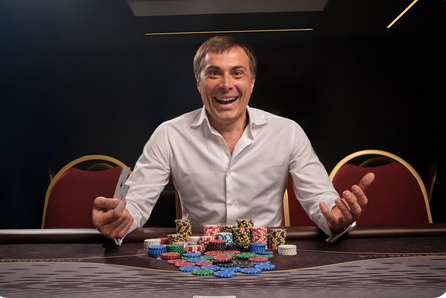
Confidence isn’t something high-stakes thinkers are born with—it’s earned through repetition, study, and preparation. They don’t walk into a room believing they’ll win because of arrogance; they believe it because they’ve put in the work. Preparation builds certainty, and certainty fuels confidence. The more knowledge and practice they accumulate, the easier it is to make swift, accurate decisions under pressure. Preparation transforms fear into focus, turning nerve-wracking situations into manageable challenges.
Adaptability Is Their Greatest Asset
In unpredictable situations, rigid plans fall apart. High-stakes thinkers know this, which is why they prioritize adaptability. They can pivot without losing balance, embracing change as part of the process rather than something to avoid. This flexibility isn’t random—it’s grounded in awareness and quick reasoning. When others get stuck trying to control what can’t be controlled, high-stakes thinkers adjust, realign, and move forward. Adaptability keeps them in the game when everyone else has already folded.
The mind of a high-stakes thinker is a fascinating blend of logic, emotional control, and strategic foresight. They see risk not as a threat but as an opportunity to apply skill and judgment. By embracing calculated risk, maintaining composure, preparing thoroughly, and staying adaptable, anyone can start thinking at a higher level. In a world that constantly tests our ability to make fast, impactful choices, learning to think like a high-stakes player might just be the ultimate advantage.